Global
Home News VTK News
March Thu, 2026
VINTEKO Servo Press-Fit: Detailed Explanation of the High-Precision Press-Fit Challenge for PCB Board via Eye Pins


In the electronics manufacturing industry, PCB board connection technology has always been a key factor in determining product reliability. With the development of automotive electrification and the miniaturization of smart devices, rivet terminals have become the mainstream choice for PCB board connections due to their advantages of being solderfree, reliable, environmentally friendly, and efficient. However, the pressing process of rivet terminals is a highly challenging task. 

Today, we will take an indepth look at how Weitek Servo Press, with its highprecision control core, perfectly addresses the pressing difficulties of PCB board rivet terminals. 


01


Challenges of Rivet Terminal Pressing


Why is pressing PCB rivet terminals difficult?

Rivet terminals, also known as press-fit terminals,

 have a unique 'rivet eye'-shaped elastic hole at the end. 

The working principle is: when the rivet terminal is pressed into the metallized hole of the PCB, the rivet eye undergoes elastic deformation, forming a tight mechanical connection and electrical conduction with the hole wall. 


This seemingly simple process places high demands on pressing equipment: 
1. Insufficient pressure: The rivet eye is not fully deformed, leading to high contact resistance and potential signal interruption; 
2. Excessive pressure: The rivet eye may deform too much or even break, or the PCB hole walls may be damaged, resulting in direct scrap; 
3. Displacement deviation: Insufficient or excessive insertion depth affects the final coplanarity and assembly height.

图片
图片


02


 Advantages of Servo Press Technology


Precisely suited for PCB rivet terminal pressing 

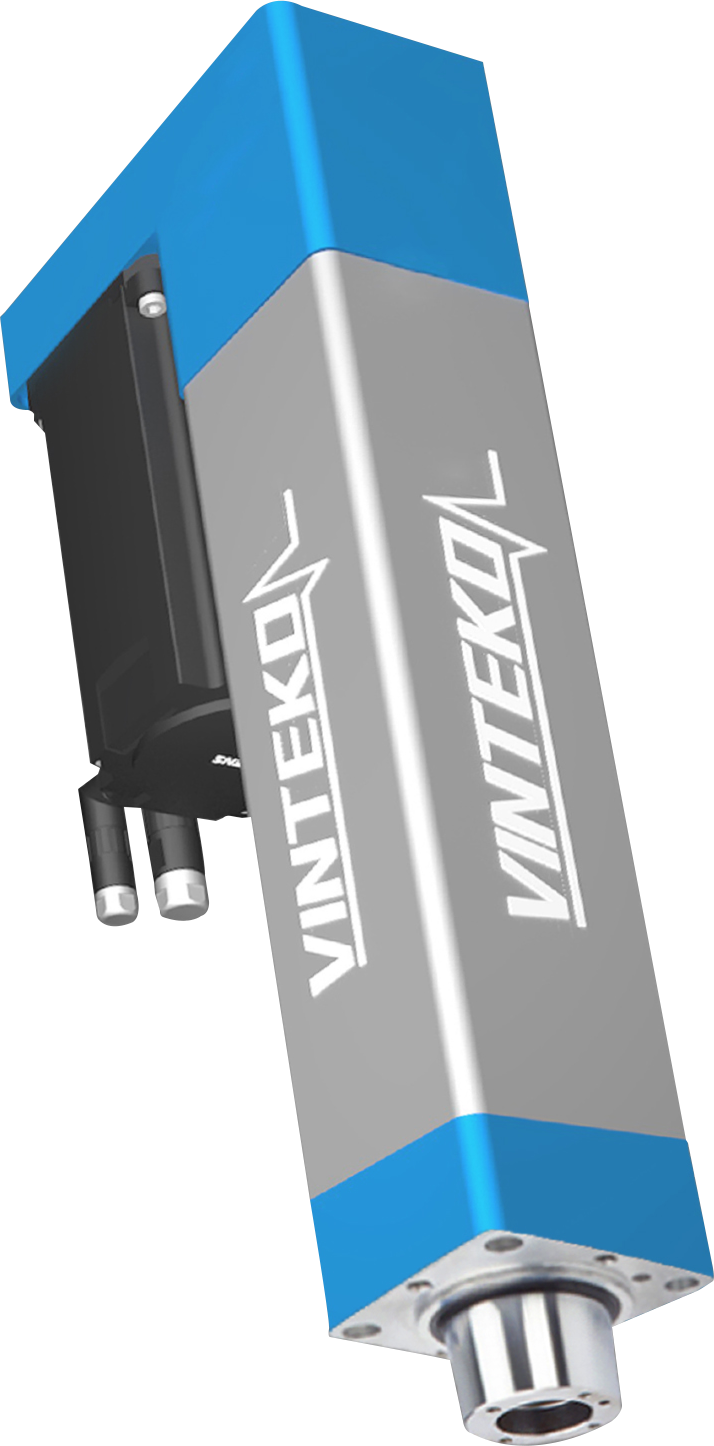
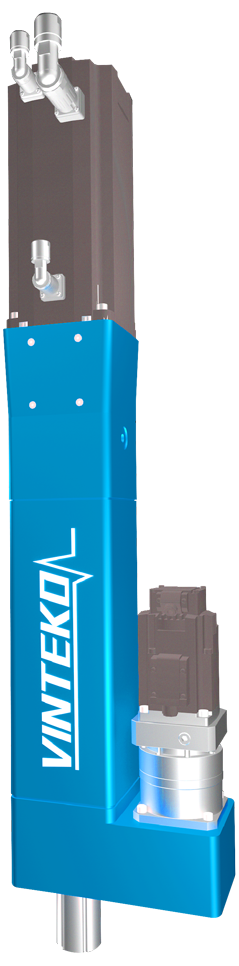
VINTEKO servo presses, with their direct-drive servo motors, 

dual closedloop control, and intelligent monitoring

technology, perfectly meet the full-process needs of 

PCB rivet terminal pressing, fundamentally solving pressing defects.


Core advantages of VINTEKO presses: 
1. Displacement control: Repeat positioning accuracy up to ±0.01mm, precisely controlling rivet terminal pressing depth to prevent over- or under-pressing, suitable for thin and high-density PCBs; 


2.High-precision pressure output:

 Pressure control accuracy ±0.5%FS, ensuring stable pressure throughout the process, matching the stress pattern of elastic deformation in rivet terminals, avoiding pin deformation and PCB hole cracking; 


3. Intelligent force-displacement curve monitoring: Millisecond-level

 collection of pressing data, real-time curve plotting, automatic 

detection of dual-peak forces in rivet terminal pressing,with immediate

 stop and alarm for anomalies, ensuring zero defect output; 


4. Multi-press program switching: Capable of storing hundreds of 

pressing parameters, allowing one-click application for 

different rivet terminal models and PCB boards, with zero-threshold 

debugging, suitable for multi-variety, small-batch production; 


5. Data traceability: Automatically records pressure, displacement, and time data for each pressing, supports report export, meeting quality traceability and compliance audit requirements in the electronics industry.


图片
图片
图片

03


Press-Fit Application Process


Servo Press-Fit Process for PCB Solder Ball Pins 

VINTEKO Servo Press-Fit Standardized Process:

1. Tool Positioning and Fixture Calibration

Custom fixtures are made according to the size of the PCB and the position of the solder ball pins to ensure the PCB does not shift and the pins align vertically with the press head. After powering on, calibrate the device origin and zero the pressure sensor to eliminate fixture errors.

2. Press-Fit Parameter Presetting

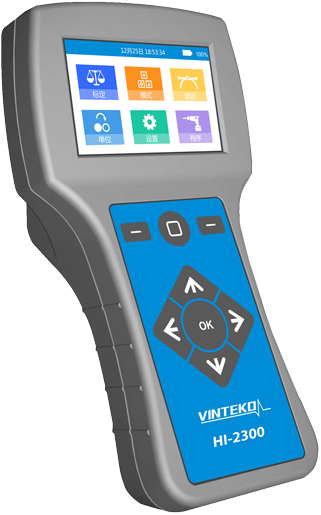
Set core parameters via the touchscreen: press-fit speed, target pressure, press-fit depth, force-displacement qualification window. Based on the characteristics of the solder ball pins, a segmented press-fit mode is used—low-speed contact, uniform press-in, hold and shape—to balance efficiency and quality.

3. Loading and Pre-Positioning

Place the PCB stably in the fixture slot, insert the solder ball pins accurately into the pre-holes, ensure no bent pins or warped boards, 

and start the device's automatic press-fit mode.

4. Automatic Press-Fit and Real-Time Monitoring

Once the device starts, the servo press head moves down at a uniform speed, continuously monitoring pressure and displacement. When the elastic deformation of the pins reaches the preset value and the force-displacement curve is within the qualified range, the press-fit  automatically stops and holds for 12 seconds to ensure tight engagement between the pins and PCB holes.

5. Unloading and Quality Inspection

Afterpressfitting, the device automatically resets, and the PCB is

 taken out.The pressfit status of each solder ball pin is quickly verified using system pressfit data, eliminating the need for manual inspection of each piece and improving quality control efficiency.

图片
图片
图片